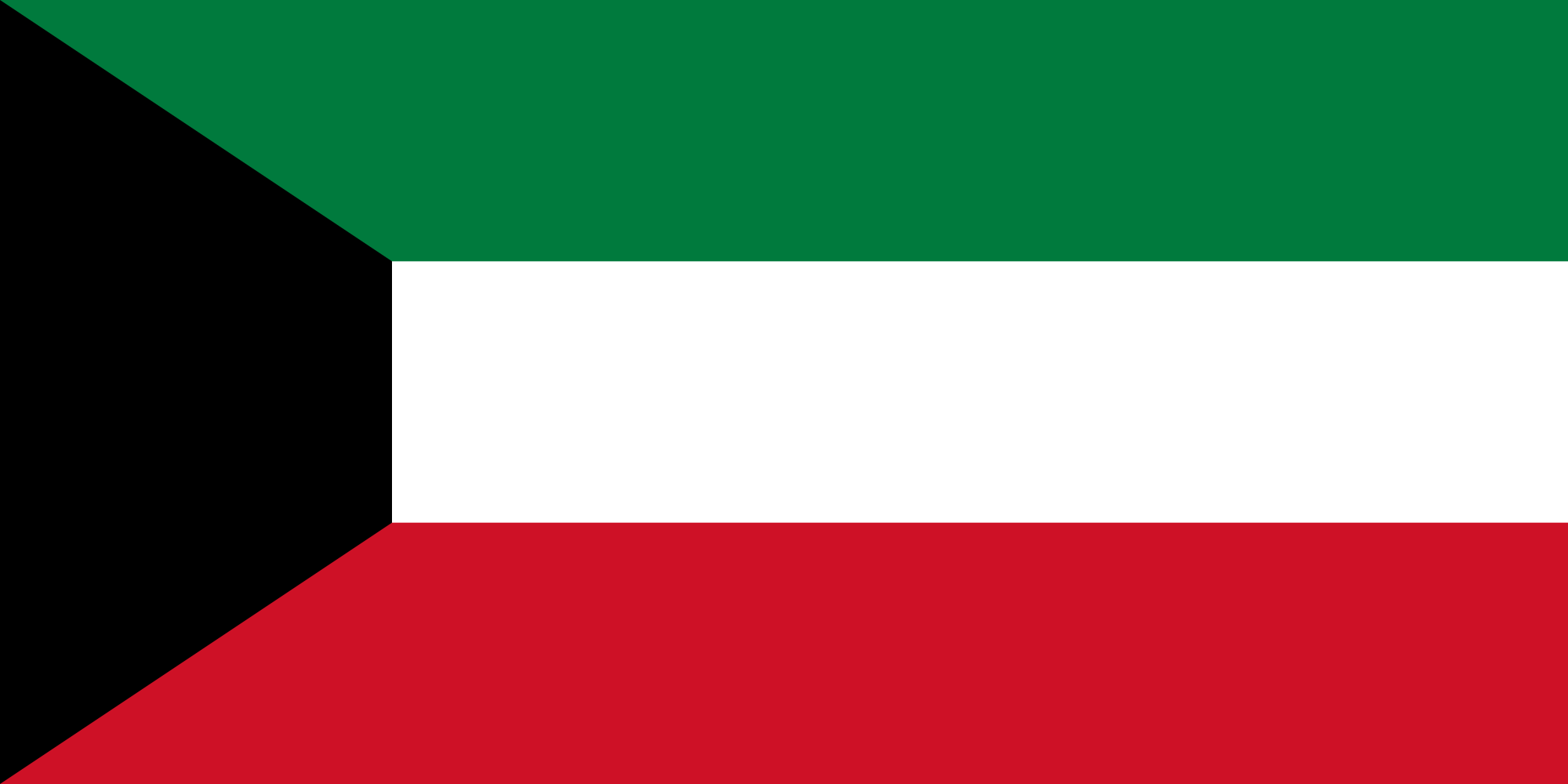
Best Online Trading Platforms in Kuwait: A Complete Investor’s Guide
Online Trading in Kuwait: Market Overview
Kuwait’s investment landscape has historically been dominated by the Kuwait Stock Exchange (Boursa Kuwait) and real estate. However, the rapid growth of online trading technology has opened up new avenues for retail investors seeking exposure to international assets. With one of the highest internet penetration rates in the Arab world and a smartphone-savvy population, Kuwait is well-positioned to benefit from the global shift toward digital trading.
The Kuwaiti dinar (KWD) is the world’s highest-valued currency unit, which gives Kuwaiti investors meaningful purchasing power when funding international brokerage accounts. This, combined with strong household savings rates and a culture of financial awareness, makes Kuwait one of the most promising retail trading markets in the Gulf Cooperation Council (GCC).

Types of Trading Platforms Available in Kuwait
Kuwaiti traders have access to a broad range of international online platforms covering every major asset class. Understanding which category fits your investment goals is the essential first step.
Forex Brokers
Platforms offering access to major, minor, and exotic currency pairs. KWD-pegged traders often focus on USD pairs for stability, while more active traders explore commodity-linked currencies like AUD and CAD.
CFD Platforms
Contracts for Difference allow Kuwaiti investors to trade price movements of global indices, stocks, and commodities without owning the underlying asset, enabling both long and short positions with leverage.
Commodity Brokers
Given Kuwait’s oil-based economy, commodity trading platforms covering crude oil, natural gas, gold, and silver are especially popular among local investors with deep knowledge of energy markets.
Crypto Exchanges
International cryptocurrency platforms offer access to Bitcoin, Ethereum, and hundreds of altcoins. Younger Kuwaiti investors are increasingly active in digital asset markets through regulated global exchanges.
Regulatory Framework for Trading in Kuwait
Online trading in Kuwait operates under the supervision of the Capital Markets Authority (CMA Kuwait), which was established in 2010 and has developed progressively stronger investor protection regulations. The CMA oversees domestic securities activity, but the majority of retail forex and CFD trading occurs through internationally licensed brokers.
Kuwait is a member of the Gulf Cooperation Council, and its regulatory environment is closely aligned with broader GCC financial standards. The most reputable international brokers serving Kuwaiti clients hold licences from authorities such as:
- CySEC — Cyprus Securities and Exchange Commission
- FCA — Financial Conduct Authority (United Kingdom)
- ASIC — Australian Securities and Investments Commission
- DFSA — Dubai Financial Services Authority
- QFCRA — Qatar Financial Centre Regulatory Authority
Before opening an account with any broker, Kuwaiti investors are strongly advised to verify the broker’s licence directly on the relevant regulatory body’s official website.
Key Criteria for Choosing a Trading Platform
Islamic (Swap-Free) Accounts
For Kuwait’s predominantly Muslim population, compliance with Islamic finance principles is a primary consideration when selecting a broker. Sharia-compliant trading accounts — commonly known as swap-free or Islamic accounts — eliminate overnight interest (riba) on open positions. The majority of leading international brokers now offer Islamic account options for clients in Kuwait and across the wider GCC region, making this a standard feature to check before registering.
Arabic Language and Local Support
The availability of a fully localised Arabic interface and Arabic-speaking customer support significantly improves the trading experience. Top-tier platforms targeting the MENA market provide 24/5 or 24/7 multilingual support, with dedicated Gulf region account managers and Arabic-language educational content covering technical analysis, risk management, and market commentary.
Deposit and Withdrawal Methods
Unlike Lebanon, Kuwait’s banking system is robust and internationally connected, meaning Kuwaiti traders generally have access to a wider range of funding options. Common deposit and withdrawal methods offered by brokers include:
- International bank wire transfers in KWD or USD
- Visa and Mastercard credit and debit cards
- E-wallets including Skrill, Neteller, and PayPal (where available)
- Cryptocurrency deposits in Bitcoin, Ethereum, and USDT
Platform Technology and Tools
The quality of the trading platform itself is a key differentiator. The most widely used platforms globally include MetaTrader 4 (MT4), MetaTrader 5 (MT5), and cTrader. These offer advanced charting tools, automated trading via Expert Advisors, and a large community of traders sharing strategies. Many brokers also offer proprietary web-based and mobile platforms designed for ease of use.
Comparison of Platform Types
| Feature | Beginner Platforms | Advanced Platforms |
|---|---|---|
| Minimum Deposit | $10 – $100 | $200 – $1,000+ |
| Interface | Simple, mobile-first app | MT4 / MT5 / cTrader desktop |
| Assets Available | Forex, Crypto, Indices | Stocks, ETFs, Options, Futures, Commodities |
| Islamic Account | Available | Available |
| Arabic Support | Varies by broker | Varies by broker |
| Demo Account | Included | Included |
| Leverage | Up to 1:200 | Up to 1:500 |
Mobile Trading in Kuwait
Kuwait has one of the highest smartphone penetration rates in the world, with over 95% of the population owning a mobile device. This makes mobile-first trading apps particularly relevant for Kuwaiti retail investors. Leading international brokers now offer full-featured iOS and Android apps that replicate desktop functionality, including real-time charts, one-tap order execution, push notifications for price alerts, and access to economic calendars.
When evaluating a mobile trading app, Kuwaiti investors should look for biometric login options (Face ID / fingerprint), Arabic interface support, and the ability to manage Islamic accounts directly within the app. The best platforms also integrate social trading features, allowing users to follow and copy the strategies of experienced traders.
Oil Markets and Kuwait’s Unique Trading Advantage
As one of the world’s largest oil exporters, Kuwait occupies a uniquely informed position when it comes to commodity trading. Local investors often possess a deep understanding of energy market dynamics — including OPEC decisions, production quotas, and geopolitical influences on oil pricing — that can translate into a genuine trading edge on commodity-focused platforms.
Brokers offering access to WTI and Brent crude oil CFDs, natural gas futures, and energy sector ETFs are therefore of particular interest to Kuwaiti traders. Some platforms also offer direct exposure to Gulf region equities, including companies listed on the Kuwait Stock Exchange (Boursa Kuwait), Saudi Tadawul, and Dubai Financial Market.
Safe Trading Practices for Kuwaiti Investors
Essential Rules for Traders in Kuwait
- Verify the broker’s regulatory licence on the official website of the issuing authority before depositing funds.
- Always use a demo account first to test the platform and practice strategies without financial risk.
- Confirm that Islamic (swap-free) account terms are clearly stated and not subject to hidden administrative fees.
- Never invest money you cannot afford to lose — treat trading capital as discretionary savings only.
- Use stop-loss and take-profit orders on every open position to automate risk management.
- Be cautious of brokers offering excessive leverage without clear risk disclosures.
- Diversify across different asset classes rather than concentrating positions in a single market.
- Keep accurate records of all trades and consult a tax adviser regarding reporting obligations in Kuwait.
Education and Research Resources
The quality of educational resources provided by a broker is often an indicator of the platform’s overall professionalism. For Kuwaiti investors — whether novice or experienced — access to high-quality Arabic-language content on trading fundamentals, technical analysis, and macroeconomic research adds significant long-term value.
Look for brokers offering structured learning paths, video tutorial libraries, daily market analysis reports covering both global and GCC markets, live webinars with professional analysts, and economic calendars that highlight key events likely to move oil prices and Gulf equity indices.
Conclusion: Investing Wisely in Kuwait’s Digital Age
Kuwait’s combination of high wealth levels, strong internet infrastructure, and a sophisticated investment culture makes it one of the most promising environments for online trading in the entire Arab world. With the right internationally regulated broker, Kuwaiti investors can access global markets securely, trade in compliance with Islamic finance principles, and build diversified portfolios that extend well beyond domestic equities and real estate.
When choosing a platform, prioritise regulatory credentials, Islamic account availability, Arabic-language support, and the depth of available markets — particularly commodity and energy instruments relevant to the Kuwaiti economic context. Start with a demo account, invest in education, and always manage risk with discipline.
The global online trading industry is mature, competitive, and increasingly accessible from any device. For Kuwaiti investors willing to approach it with patience and preparation, the opportunities are both broad and real.


